
Modern enterprise applications for connected operations.
DGL helps organizations modernize ERP, CRM, Microsoft Dynamics, SAP, and Oracle environments with stronger process control, cleaner data, and automation-led efficiency.

Application Modernization Model
Platforms
Visibility
Roadmap
Process decisions made before configuration
Integration and data quality treated as delivery workstreams
Adoption, reporting, and controls tracked from the start
A connected application estate, not isolated software projects.
We organize enterprise application programs around the way work actually moves: transaction capture, workflow, controls, reporting, and continuous improvement.
Process and data ownership.
Platform capability and gaps.
Configuration and workflows.
Integration and reporting.
Adoption and optimization.
Stabilize the operational backbone.
ERP programs align finance, procurement, inventory, supply chain, and project operations around reliable master data and controlled transaction flows.
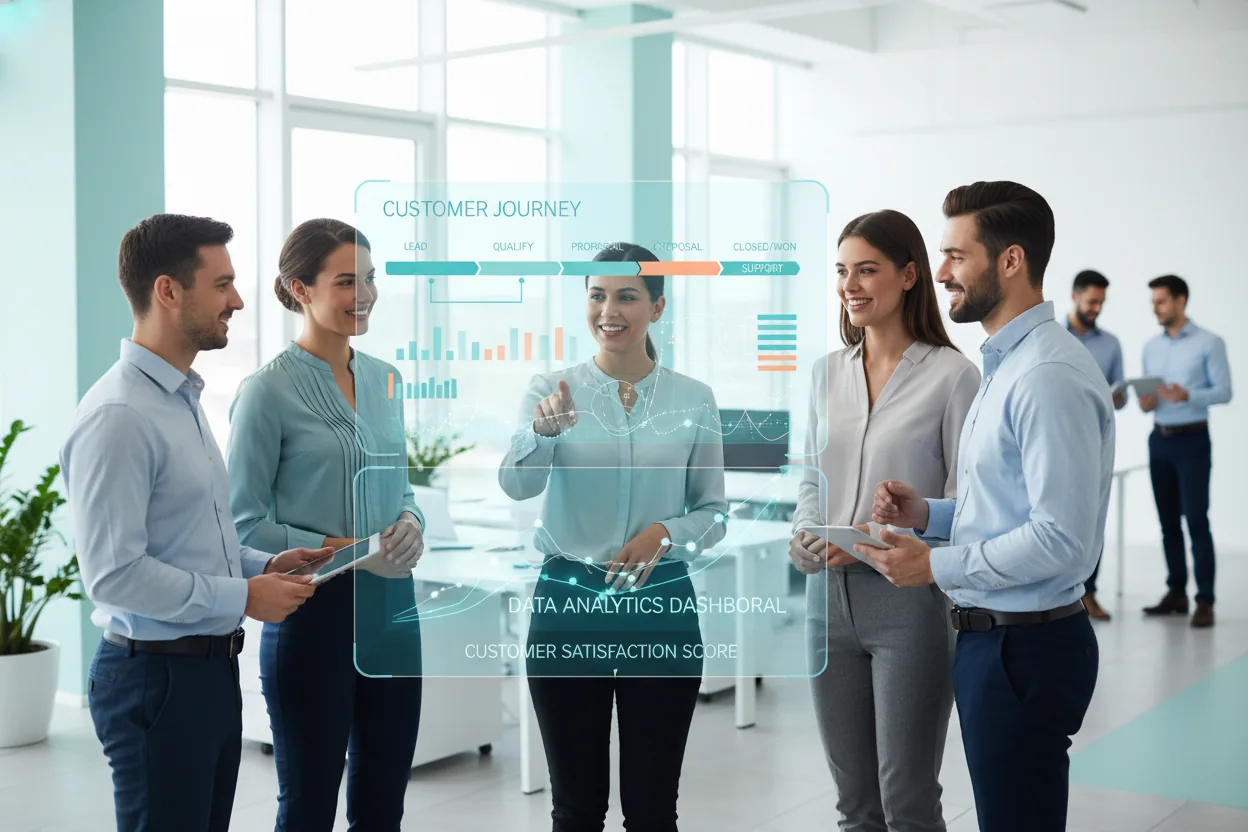
Turn customer activity into visible, governed workflows.
DGL configures CRM platforms to improve sales productivity, customer engagement, pipeline visibility, and service management across the organization.
Lead, opportunity, forecast, and account movement.
Case handling, response quality, and customer history.
Extend D365 with workflows users can actually adopt.
Our Dynamics work combines module fit, Power Platform automation, reporting, security roles, and release governance across Microsoft environments.
D365 fit
Capability mapping and solution design.
Power Platform
Low-code apps, approvals, and extensions.
Reporting
Dashboards tied to operational activity.
Move SAP programs with process discipline and data confidence.
SAP transformation requires more than configuration. We support fit-to-standard decisions, master data preparation, integration testing, cutover planning, and user readiness.
SAP delivery focus
Governed process decisions
Clean interfaces and reconciliation
Controlled rollout evidence

Governed performance across cloud enterprise applications.
Oracle Cloud and enterprise application services support finance, procurement, human capital, analytics, and integration-led modernization with stronger reporting discipline.
Connect applications without creating operational drag.
Integration should simplify the operating model, not add another layer of manual reconciliation. DGL designs the connections, controls, and reporting rhythm around real business transactions.
Cleaner data flow
Shared customer, finance, product, and supplier data across core systems.
Less manual work
Automation for approvals, notifications, reconciliation, and exception handling.
Reliable controls
Role-based access, audit trails, segregation checks, and policy workflows.
Actionable reporting
Operational dashboards that reflect trusted source-system activity.
Modernize the data estate without losing operational continuity.
We help teams move from fragmented reporting and manual extracts to governed pipelines, reusable data products, and analytics environments that can scale.
Map systems, reports, data owners, pain points, and demand.
Define common entities, metrics, and reusable data layers.
Build pipelines, quality rules, access patterns, and automation.
Embed reporting routines, training, stewardship, and review cadence.

Build the data products teams actually reuse.
Our delivery approach covers source integration, transformation logic, semantic layers, warehouse design, visualization, and support models.
Data engineering
Reliable ingestion, transformation, orchestration, and exception handling.
Warehouse design
Structured analytics layers for finance, operations, customer, and service data.
Self-service enablement
Reusable datasets, dashboard standards, training, and controlled exploration.
Performance insight
Metrics that connect activity, cost, quality, demand, and outcomes.
Make trust visible in every report and data product.
Governance works best when it is practical: clear data definitions, known owners, quality thresholds, access rules, and decision forums that fit the pace of delivery.
Shared metric catalogues, business glossaries, and approved calculation logic.
Completeness, timeliness, accuracy, duplication, and exception monitoring.
Role-based permissions, sensitive data handling, and secure sharing models.
Named owners, review cycles, issue resolution, and change control.
From insight to action.
Spot demand, variance, risk, and emerging performance patterns.
Connect measures to drivers, root causes, and operational context.
Trigger reviews, interventions, planning choices, and service improvements.
Create a focused path from reporting pressure to measurable insight.
Assess the current estate, identify the decisions that matter most, and sequence the work into releases that improve trust, speed, and adoption.
Review reporting demand, platform readiness, data quality, and governance gaps.
Group quick wins, foundation work, and strategic analytics use cases.