

Open source foundations for content, service, and product teams.
DGL helps organizations select, modernize, govern, and support CMS and open source platforms that can scale without locking digital teams into fragile delivery models.
Architecture
Composable CMS, integration, hosting, workflow, and deployment patterns.
Governance
Roles, approvals, plugin standards, upgrade paths, and content controls.
Sustainable Delivery
Reusable components, API boundaries, accessibility, analytics, and support routines that keep open platforms maintainable.
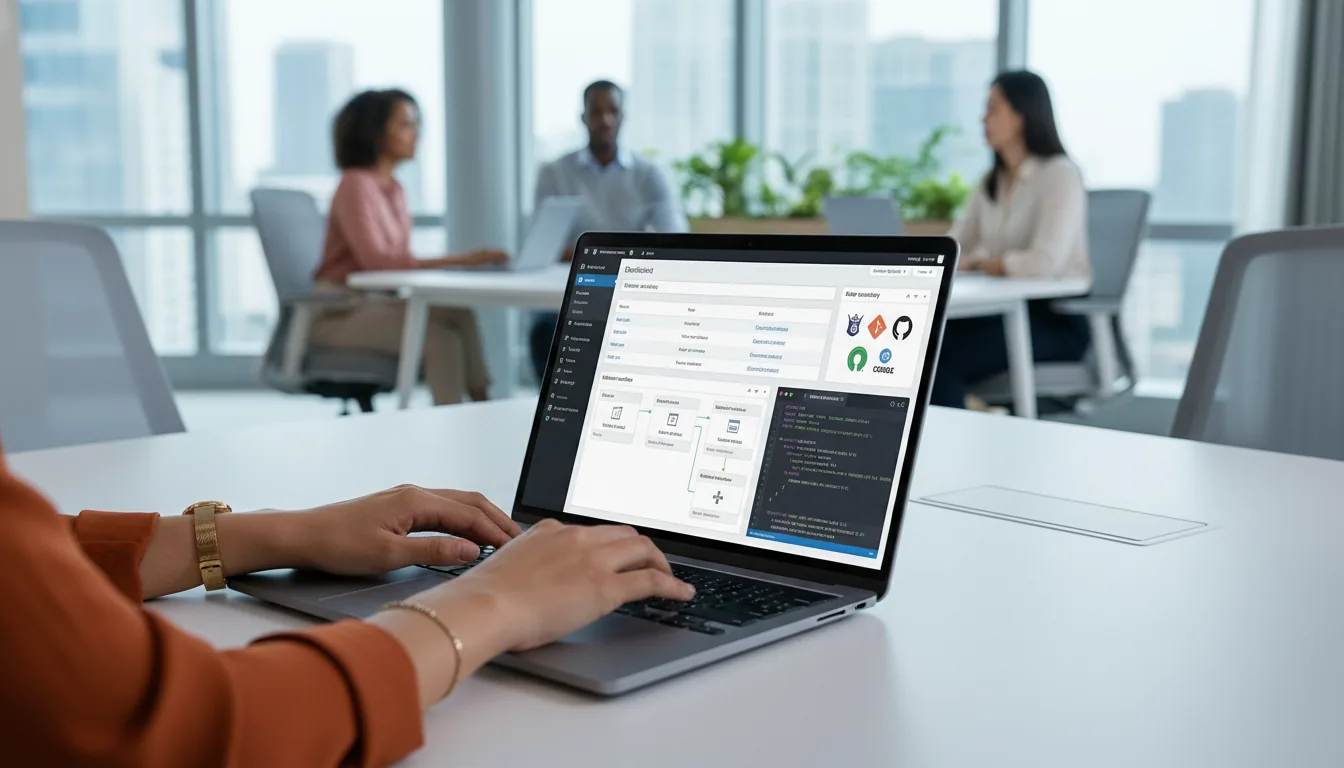
Give editors and
service teams a cleaner
operating model.Give editors and service teams a cleaner operating model.
We align information architecture, content workflows, templates, publishing governance, analytics, and integration needs so CMS improvements translate into faster, safer digital delivery.
Approvals, revisions, roles, localization, and content lifecycle controls.
Performance, accessibility, SEO hygiene, security, and release reliability.
Use open platforms
with clear ownership
and fewer surprises.Use open platforms with clear ownership and fewer surprises.
DGL reviews dependencies, extension choices, hosting, backup routines, licensing, release cadence, and support responsibilities so open source remains an advantage rather than an unmanaged risk.

Choose the CMS shape
that matches how
teams work.Choose the CMS shape that matches the way teams actually work.
Different organizations need different levels of editorial control, integration depth, governance, and product flexibility. DGL helps make those choices explicit before build work begins.
Traditional
CMSTraditional CMS
Best for content-rich sites, campaigns, structured publishing, and teams that need familiar editorial workflows.
Headless
CMSHeadless CMS
Useful when content must serve web, mobile, portals, service journeys, and partner channels from one governed source.
Composable
StackComposable Stack
A fit for product teams combining CMS, search, forms, identity, analytics, CRM, and commerce services.
Managed
Open SourceManaged Open Source
Keeps the flexibility of open platforms while adding patching, monitoring, backup, support, and release discipline.
Make platform work
visible.Make the invisible platform work visible.
A CMS project succeeds when business teams can see how content, technology, governance, and service operations connect. We map that system so priorities are easier to fund and sequence.
Clearer decisions, cleaner ownership, and less platform drift after launch.
Move content and
functionality without
losing trust.Move content and functionality without losing trust.
We plan migrations around content quality, redirects, search equity, accessibility, integrations, and release confidence, not just page counts.
Inventory pages, media, metadata, redirects, risks, and business owners.
Define content types, fields, relationships, validation, and workflow states.
Migrate, cleanse, redirect, test, and reconcile with stakeholder review.
Monitor traffic, errors, performance, editorial feedback, and support demand.
Connect CMS templates
to a reusable
design language.Connect CMS templates to a reusable design language.
The best CMS implementations reduce page-by-page reinvention. We define component rules, authoring options, content constraints, and quality checks so pages feel consistent without becoming rigid.
Page
BlocksPage Blocks
Flexible sections with guardrails for spacing, content length, image use, and responsive behavior.
Author
GuidanceAuthor Guidance
Fields, hints, preview routines, and approval paths that help editors publish confidently.
Performance
RulesPerformance Rules
Budgets for media, scripts, caching, page weight, and Core Web Vitals.
Accessibility
Reusable checks for structure, contrast, keyboard paths, alt text, and form behavior.
Keep open source
dependable after
go-live.Keep open source dependable after go-live.
The page should not slowly become a risk register. We establish practical routines for patching, monitoring, access, backups, and incident response.
Patch review, dependency scan, backup evidence, access changes, and support trend review.
Plugin rationalization, performance review, content debt cleanup, and roadmap prioritization.
Architecture health check, hosting strategy, license review, resilience test, and investment case refresh.
Know when to extend,
replace, or stabilize.Know when to extend, replace, or stabilize.
Not every CMS problem needs a rebuild. We help teams compare options with evidence, including cost, capability, risk, supportability, and business timing.
Start with the CMS
decision that needs
confidence.Start with the CMS decision that needs confidence.
We can help compare platform choices, audit an existing implementation, prepare a modernization backlog, or establish governance for long-term support.
Talk to Our Team arrow_forwardContent model, plugins, security posture, integrations, hosting, and ownership.
Target architecture, templates, workflow rules, release model, and governance guardrails.
Backlog, sprint plan, migration approach, support model, and adoption measures.